
The Story of Sandsend
Sandsend might feel peaceful today, but its rich history shaped by the sea, landscape, and generations makes it a fascinating place to explore.
A village shaped by the sea
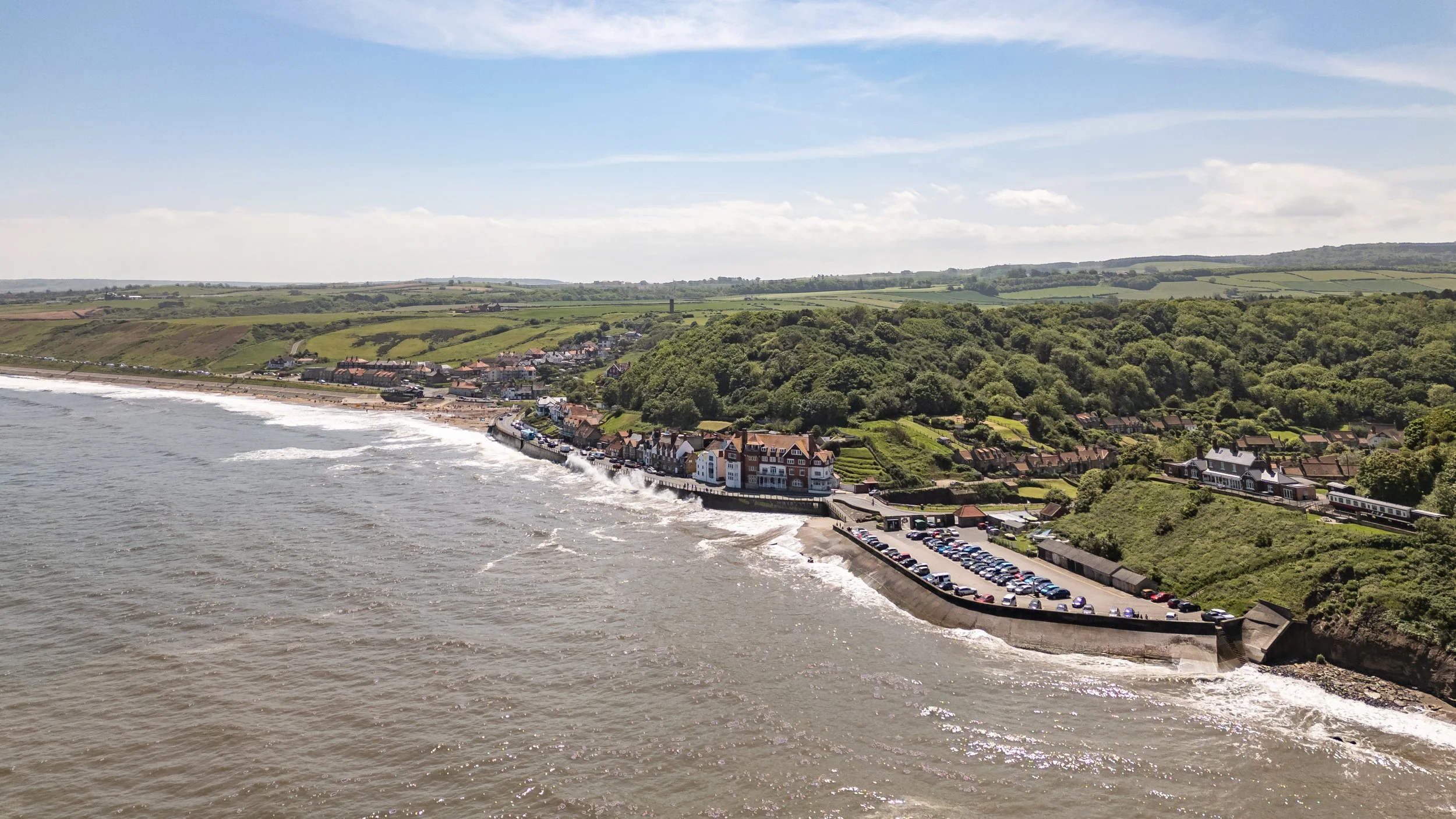
Sandsend grew from two small communities, East Row and Sandyford, which gradually became the village we know today. For centuries, life here was closely tied to the sea, with fishing at the heart of the local community.
The area has strong Viking and maritime connections. The area, once known as Thordisa, was a hub of Viking activity and trade, inviting visitors to feel connected to this adventurous past.
Standing on the beach today, it is easy to imagine the coastline as a natural meeting point for people arriving by sea.
The Mulgrave Estate
The landscape surrounding Sandsend has long been part of the Mulgrave Estate, which the Phipps family has owned since the early 18th century.
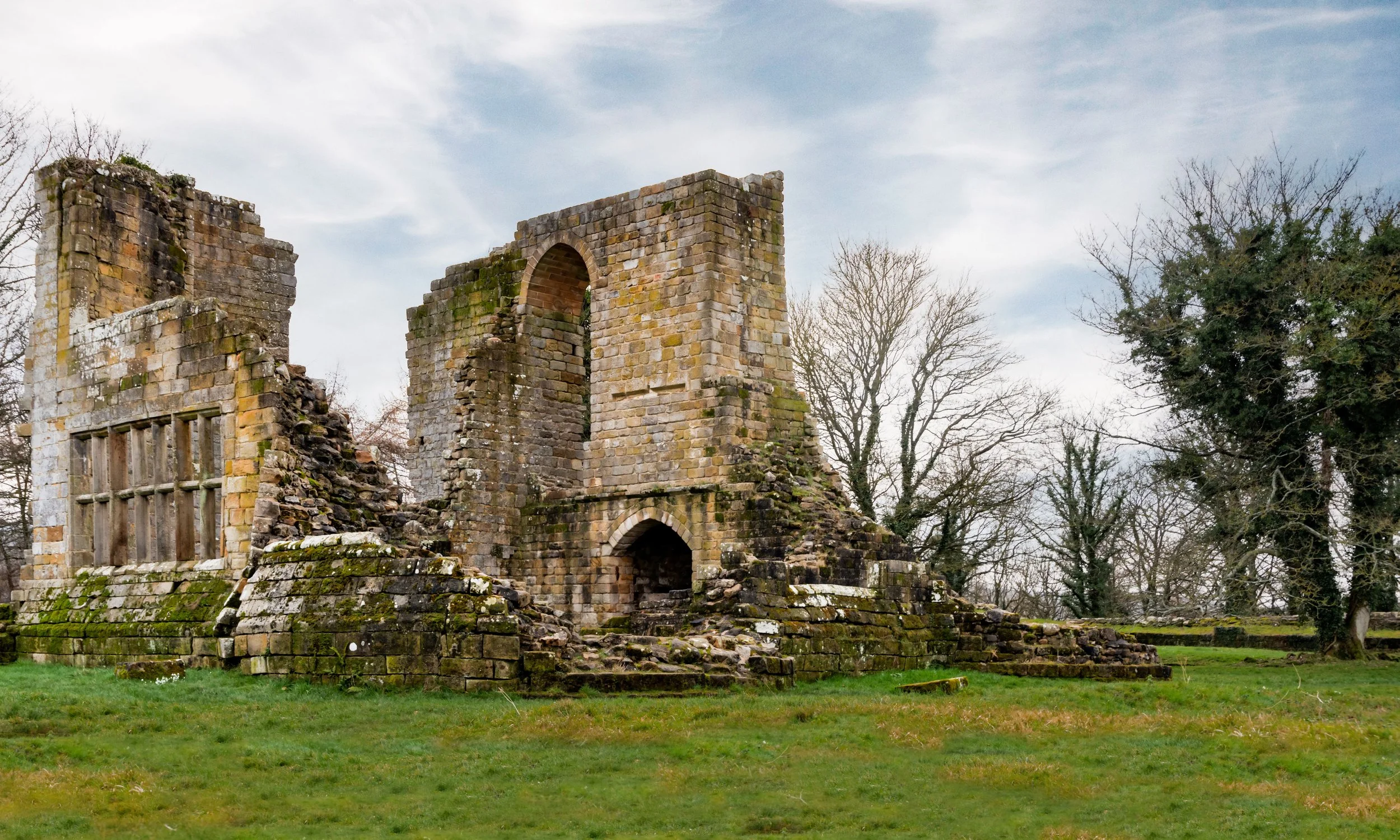
At its heart is Mulgrave Castle, with Norman-era ruins that evoke a sense of historical importance. The peaceful woodland walks through Mulgrave Woods invite exploration and reflection on the estate's enduring legacy.
To the west of the village lies The Valley, another beautiful part of the estate, with woodland, cottages and winding streams.
The alum industry
One of the most important chapters in Sandsend's story is its alum industry.
From 1605, the alum industry transformed Sandsend, with shale quarrying and processing for alum used in dyeing and tanning, shaping the village's history.
Today, traces of this industrial past remain etched into the cliffs. You can explore the unusual landscape along the Cleveland Way, which follows part of the old railway route and offers spectacular coastal views.
The dramatic scenery has even appeared on screen, standing in for Antarctica in Shackleton, starring Kenneth Branagh.
St Oswald's and the Vikings
High above Sandsend, St Oswald's Church in Lythe offers another glimpse into the area's ancient past.
The site is thought to have been a place of Christian worship for more than a thousand years, with burials dating back to around 950 AD. Inside the church are rare Viking 'humpback' gravestones, alongside memorials to the Earls of Mulgrave.
With its views across the coastline towards Whitby, it is a beautiful, atmospheric place and a reminder of how deeply rooted the history of this landscape is.
From then to now
The railway once travelled through the valleys behind Sandsend, crossing impressive viaducts and carrying people and goods along the coast. Many of the village's traditional fishermen's cottages remain today, while sections of the old railway route have become wonderful walking trails.
And yet, despite all that has happened here, Sandsend has retained its peaceful character.
Today, it is a place for long walks along the beach, woodland adventures, sea air and slow mornings. But beneath that tranquillity are centuries of stories of Vikings and fishermen, alum workers and railway travellers, castles and country estates.
We love that sense of history. It is part of what makes Sandsend feel like more than simply a beautiful place to stay.
It is a place with a story — shaped by the sea, the landscape and generations of people who have called this special corner of Yorkshire home.